
One of the biggest fears for new chicken keepers is winter. “Will my chickens freeze to death?”
The instinct is often to run an extension cord and hang a heat lamp in the coop. Do not do this. Heat lamps are the #1 cause of coop fires. They are dangerous and unnecessary.
Chickens are wearing down coats. They are built for cold weather and have a body temperature of around 106°F. As long as they are dry and out of the wind, they can handle temperatures well below freezing.
Here is how to keep your flock warm and safe without risking a fire or using electricity.
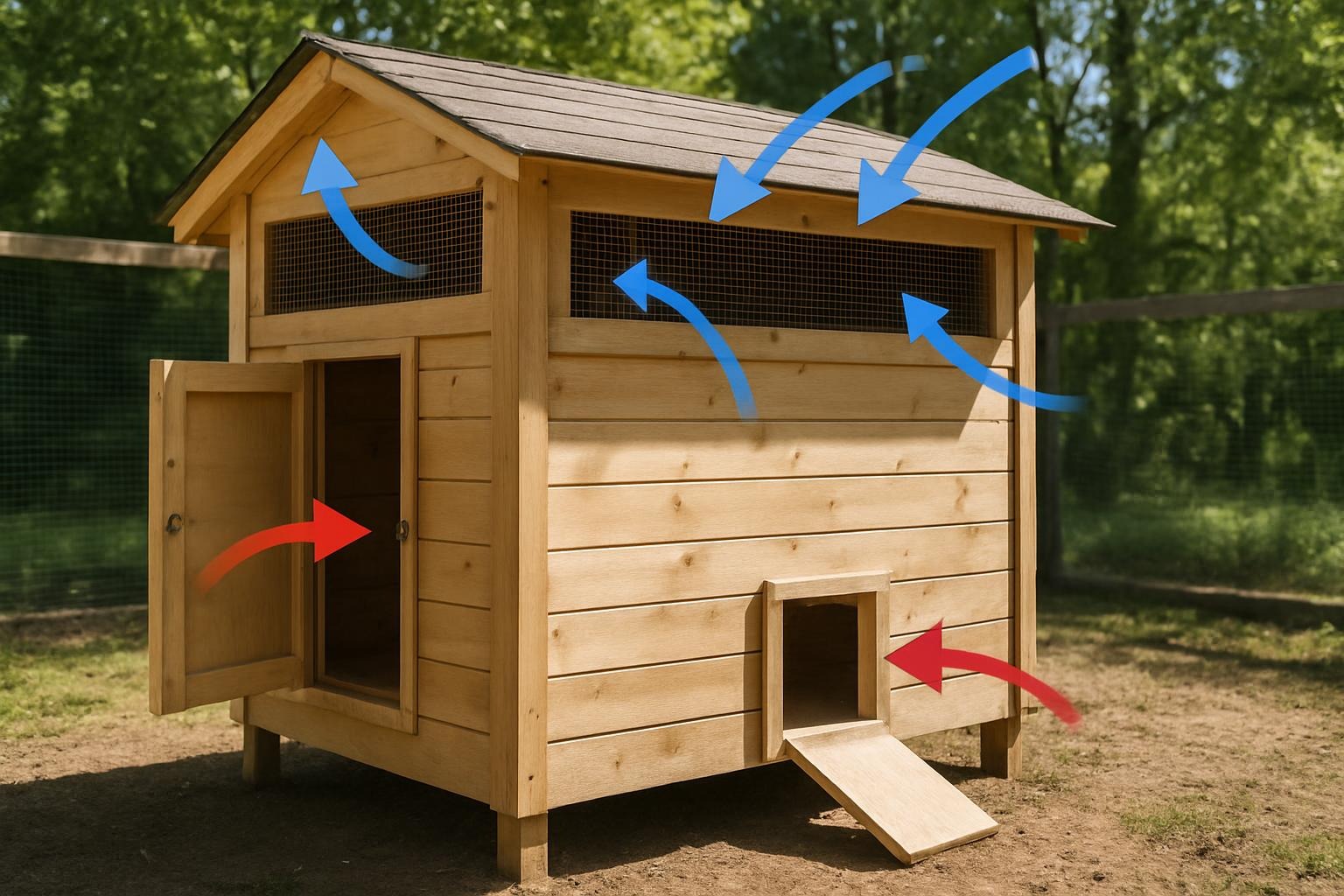
1. Eliminate Drafts, Not Ventilation
This is the most critical rule. A draft (wind blowing directly on the birds) will kill them. However, you must keep ventilation (air exchange) open near the roof.
- The Rule: Seal up holes at the bottom and middle of the coop. Leave vents open at the very top. This lets moisture escape without chilling the birds.
2. Use the “Deep Litter Method”
This is an old-school farming trick. Instead of cleaning the coop floor completely every week in winter, simply add a fresh layer of pine shavings or straw on top of the old manure.
- As the manure at the bottom decomposes, it generates natural heat (composting), warming the coop from the floor up.
3. Flat Roosting Bars
Make sure your chickens roost on flat 2×4 boards (wide side up), not round poles.
- Why: On a flat board, a chicken can sit on her feet, covering them with her belly feathers to prevent frostbite. On a round pole, her toes grip around the wood and are exposed to the cold air.
4. Liquid Water is Key
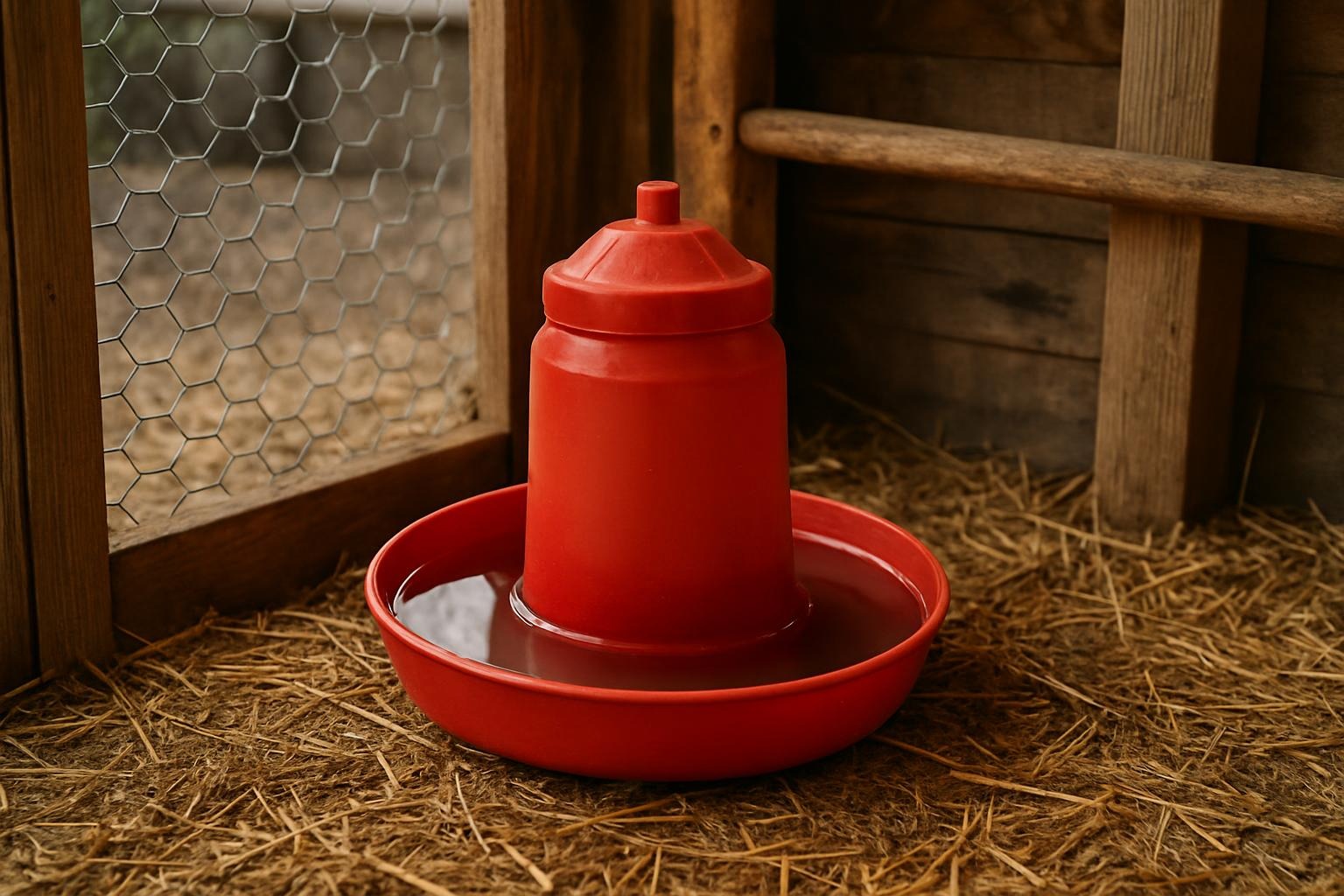
Chickens can withstand cold, but they cannot survive dehydration. If their water freezes, they stop eating and cannot generate body heat.
- If you don’t have electricity for a heated base, bring fresh warm water to them twice a day (morning and evening).
Conclusion
Your chickens are tougher than you think. By blocking drafts, using deep litter, and providing liquid water, your flock will not only survive the winter—they will thrive.